
When a dog bites a trespasser who is unlawfully on the property of a dog owner, the question becomes whether that incident creates grounds to file a dog bite lawsuit. Dog owner liability for injuries caused by a dog bite may not extend to individuals who are trespassing on the property at the time the bite occurs. In most cases, this principle follows the general fault-based rules of personal injury law, which limit a dog owner’s responsibility when the injured party was not legally allowed on the premises.
However, there are instances where a dog owner is not automatically freed from legal liabilities of injuries suffered by trespassers. Each state has its own rules, but in general, this article will look at:
- Who might be a “trespasser” for purposes of liability from dog bites?
- What are the legal obligations a homeowner should consider in terms of safety for trespassers in general?
- Why “the victim was trespassing,” if proven, is usually a strong defense against a dog bite claim?
- Under which conditions could an owner still be held liable if the animal became aggressive with a trespassing person?
Read: Why Having a Personal Injury Lawyer Is Very Important?
In a Hurry? Dial +1213-596-0265 now!
What Is a Trespasser?
So you might ask, because that will more or less determine the legal duty of care that the dog owner probably owes to the claimant under law, as well as the applicability of the state’s dog-bite statute if the claimant (the injured person) was actually trespassing on the dog’s owner’s property. A trespasser is, pretty legally, someone who enters the other person’s property or land illegally.
However, just by entering land without permission from the landowner, a person is not necessarily considered a trespasser, even when a dog bites a trespasser under disputed circumstances. Sometimes, an alleged trespasser is deemed to have had the implied permission to intrude onto a certain property. For instance, when it’s a case of uninvited door-to-door selling, one’s property can be implicitly entered if it does not have a locked gate, and a “no soliciting” sign is not posted.
Does the Law Impose Duty When a Dog Bites a Trespasser?
With respect to any person taking up space within the property, if the homeowner/dog owner has not demonstrated that measure of care which is appropriate to that situation, such homeowner/dog owner might be considered negligent and/or found liable for whatever losses might be incurred as a result by the injured party; actions just like those of this example fall under the legal terms of “premises liability” associated with homeowners.
This is especially relevant in cases where a dog bites a trespasser, as the circumstances can affect the homeowner’s legal responsibilities. What standard of care is actually owed to a trespasser? As a general rule, a homeowner owes a very limited duty of care with respect to trespassers (compared with the duty owed to guests and other visitors). Among the rare situations in which the trespasser may find himself entitled to some measure of legal protection, we shall try to look at the two most familiar ones.
In a Hurry? Dial +1213-596-0265 now!
Discovered Trespassers
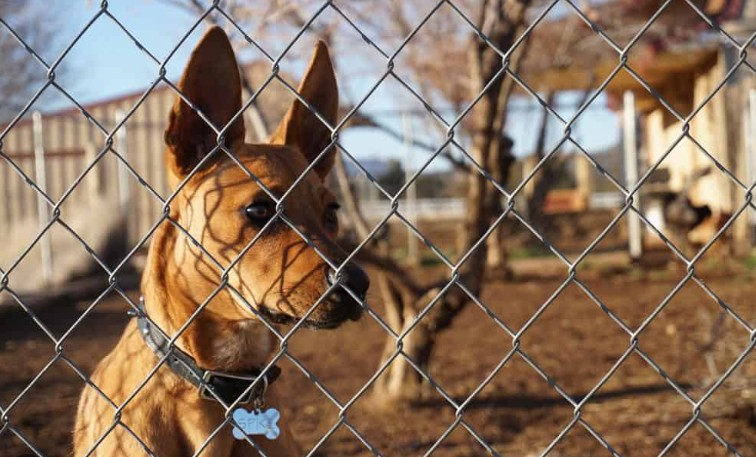
In case people actually trespass onto the dog owner’s land quite a lot (like that popular shortcut to the ocean runs really close to or across the property), they give more chances of falling under the obligations of the dog owner to potential trespassers. In this venue, the dog owner will probably have to post warning signs of the dog’s presence, and if the dog is one that has what they call “dangerous propensities,” the animal may need to be kept in an enclosure or otherwise adequately restrained from running free.
Although the definition has differences for every state having such a law on the books, usually a “dangerous” or “vicious” dog or one having “dangerous propensities” did something that suggests the development of harm in the human body. An animal’s history with humans is taken into consideration as a basis for deciding whether a dog possesses the characteristics of being “vicious” or having dangerous propensities.
Note that the dog owner would probably not be liable should a trespasser get bitten by a so-called “dangerous” dog if he or she follows sufficient precautionary measures. For example, it is stipulated that the owner chains the dog inside an enclosure, puts posters that warn about the presence of a dangerous dog, and the trespasser exposes himself or herself to risks; thus prohibiting the trespasser from recovering damages from the homeowner.
The Willful and Wanton Conduct
This constitutes an exception in some states in favor of landowners against trespassers. Thus, injuring a trespasser intentionally or sometimes recklessly is also gravely considered “willful and wanton conduct.” For instance, letting a dangerous dog loose on the property after suspecting a trespasser has entered is one such example. Most strict liability dog-bite statutes do not protect trespassers from injury, and cases where a dog bites a trespasser are often explicitly carved out. The laws of those states that have a “strict liability” dog-bite statute generally provide for an exception for trespassers (meaning that the dog owner is not liable for injuries to trespassers) in their language.
In a dog-bite case, strict liability means that the injured party is not required to prove that the dog owner was negligent (meaning that the dog owner failed to behave like a reasonable man while maintaining control of his dog or preventing it from biting) or that he wrongfully did anything at all. If all the elements of a strict liability statute are satisfied, then, as a matter of law, the dog owner will be liable for the claimant’s medical expenses, lost wages, and other damages related to the incident, no matter how innocent the owner may have been. However, in most states, a claimant is not able to use the statute if he/she:
- Was trespassing at the time of the biting.
- Provoked, teased, or abused the dog.

Final Thoughts
The trespass laws surrounding dog bites a trespasser cases can be truly complicated, especially when combined with dangerous-dog discussions, warning signs, or clear negligence of the dog owner. If you or a loved one has been attacked by a dog, whether on entering private property or under disputed circumstances of trespassing, your rights need to be protected with legal guidance.
Tenina Law in Sherman Oaks has a focus on Personal Injury and Dog Bite Claims and is ready to investigate liability, coverage, and homeowner culpability. Our attorneys will consult with you to evaluate your case and explain the options available to you in receiving compensation for your medical expenses, lost wages, and emotional distress.
Don’t allow uncertainty or an insurance company to dictate your future. Contact Tenina Law today for a confidential assessment and discover your options.