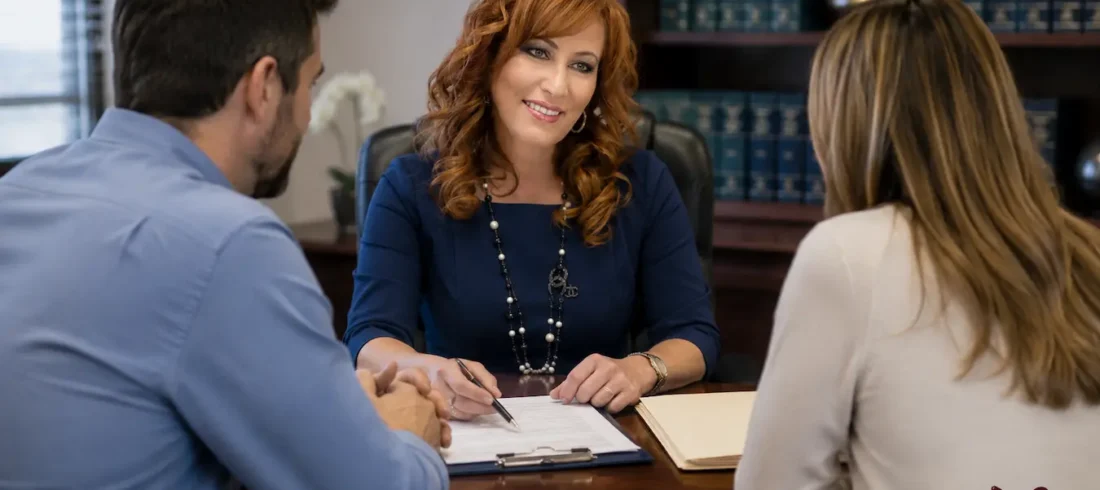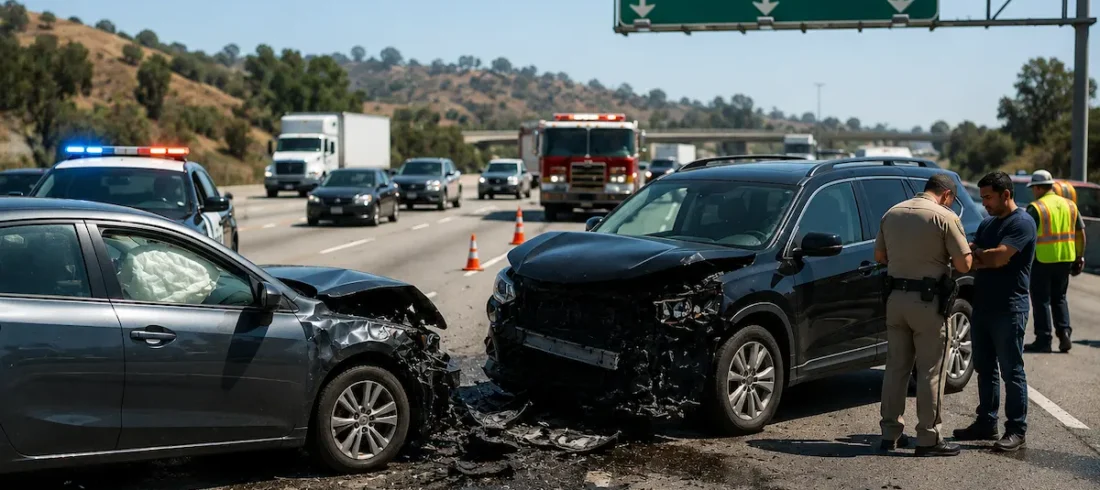
A strong personal injury lawsuit is built on more than proof that an accident happened. You need evidence that helps connect another party’s conduct to your injuries, medical records that show what happened to you, and documentation that explains how the injury has affected your finances and everyday life.
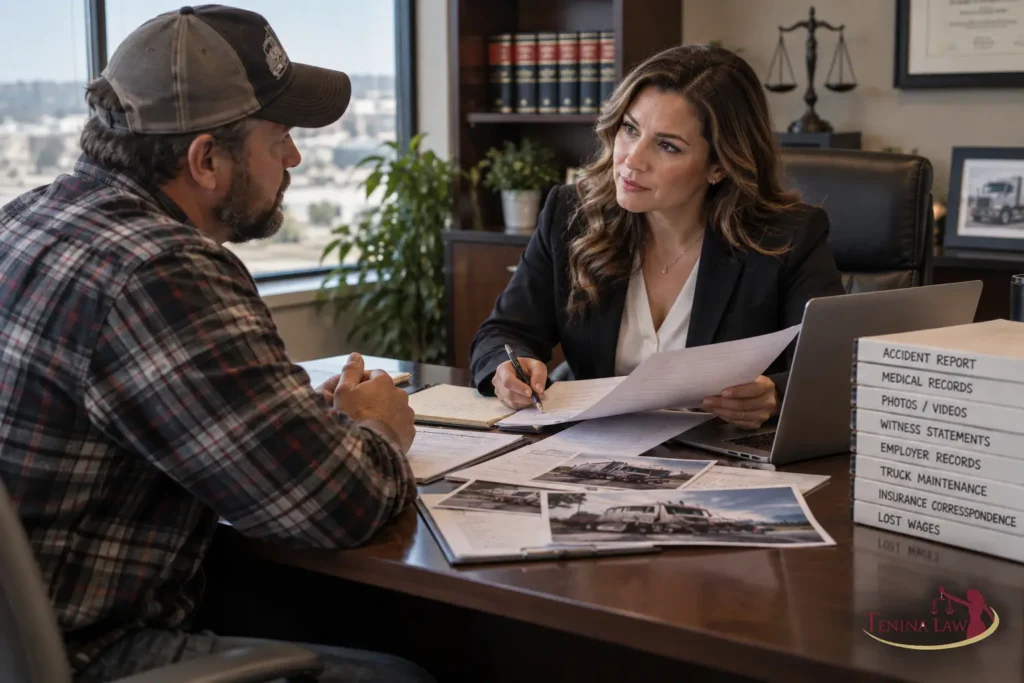
Timing matters, too. Evidence can disappear, memories can fade, and missed legal deadlines can create problems even when the underlying claim appears strong.
At Tenina Law, Inc., we evaluate California personal injury matters based on the facts, available evidence, insurance issues, and applicable law. The steps below can help preserve information that may become important as a claim develops.
Key Takeaways
- Seek medical care promptly and follow the treatment plan recommended by your healthcare providers.
- Preserve photos, video, witness information, reports, damaged property, and other evidence before it disappears.
- Document both financial losses and the ways an injury affects your normal activities and daily life.
- Disputed fault can affect recovery because California allows damages to be reduced according to a plaintiff’s percentage of responsibility.
- Do not assume every California personal injury matter has the same deadline. Most ordinary personal injury lawsuits generally have a two-year limitations period, while claims involving government entities can require action much sooner.
- Be careful about early settlements, recorded statements, and social media activity while the facts and long-term effects of the injury are still developing.
1. Get Medical Care and Stay Consistent With Treatment
Prompt medical care serves two purposes: it addresses your health and creates contemporaneous records of your injuries.
If you wait a long time before seeking treatment, the opposing insurer may question whether the accident caused the condition being claimed. Similar questions can arise when there are unexplained gaps in treatment.
That does not mean every missed appointment destroys a case. People miss treatment for legitimate reasons, including transportation problems, cost, work obligations, childcare, illness, or changes in medical recommendations. What matters is that the record accurately reflects what happened.
Follow the treatment recommendations your healthcare providers give you. Keep copies of relevant medical records, bills, prescriptions, referrals, rehabilitation records, and other documentation connected to the injury.
What If Your Symptoms Get Worse Later?
Some injuries do not reveal their full impact immediately.
If symptoms change, return, or worsen, tell your medical provider rather than trying to describe the medical significance yourself. Accurate medical documentation can help establish when symptoms appeared, how they progressed, and what treatment was recommended.
This becomes especially important when an insurer argues that later symptoms were caused by something other than the accident.
2. Preserve Evidence Before the Scene Changes
Evidence that exists immediately after an accident may not exist a few weeks later.
Vehicles get repaired. Hazardous conditions are corrected. Surveillance systems overwrite footage. Damaged products may be discarded. Witnesses move or forget details.
When it is safe to do so, preserve evidence such as:
- Photos and video of the accident location
- Vehicle or property damage
- Road, lighting, weather, or property conditions
- Visible injuries
- Damaged clothing, helmets, equipment, or other physical items
- Names and contact information for witnesses
- Police, collision, workplace, or incident reports
- Relevant messages, emails, or written communications
The competitor article correctly emphasizes photos, medical records, reports, witness statements, and financial documentation. The missing issue is how quickly some evidence can disappear. Evidence preservation is often most valuable before anyone has had time to repair, remove, overwrite, or alter it.
What About Security Camera or Dashcam Footage?
Potential video evidence deserves early attention because retention periods vary.
A nearby business, apartment building, transit operator, vehicle, or homeowner may have recorded the incident without the injured person knowing it. Identifying potential footage early can make it easier to determine whether it still exists.
Do not assume that a business or other third party will automatically preserve a recording indefinitely.
3. Collect Witness Information While Memories Are Fresh
Independent witnesses can become particularly important when the parties disagree about what happened.
Get the person’s name and reliable contact information if possible. Avoid coaching the witness or asking them to adopt your version of events. The goal is to preserve access to someone who personally observed relevant facts.
Witness testimony can become especially useful when there is disagreement about:
- Which driver had the right of way
- How fast vehicles were traveling
- Whether a warning sign was present
- How long a dangerous property condition existed
- What someone said immediately after the incident
A witness who saw only part of an event may still have useful information.
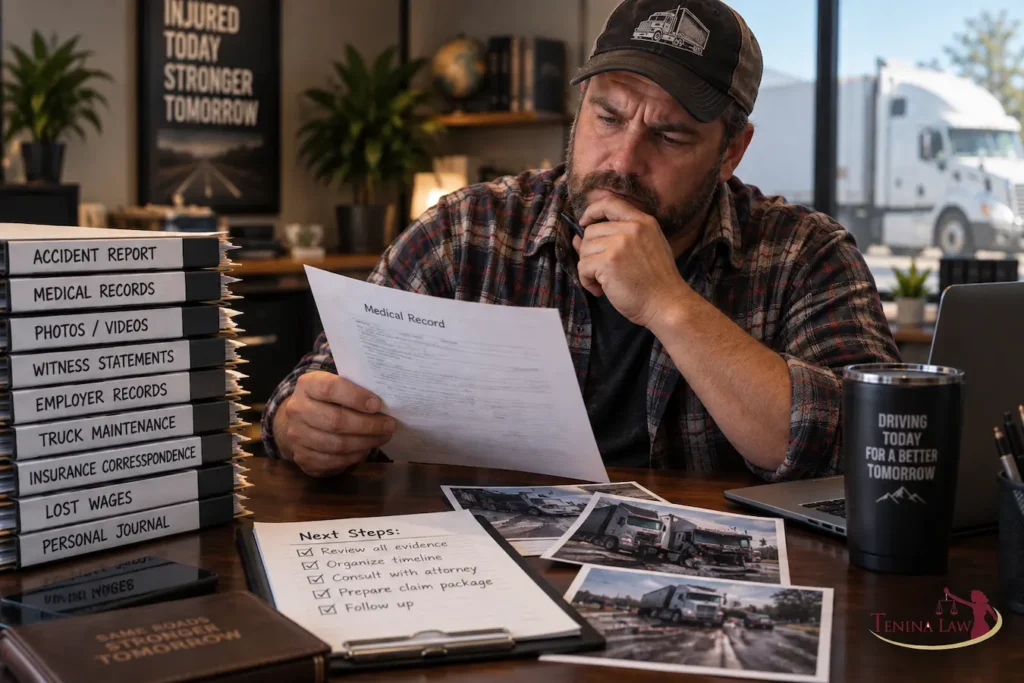
4. Document Your Financial Losses Carefully
A personal injury claim may involve more than medical bills.
Depending on the facts and applicable law, claimed damages may involve medical expenses, lost income, diminished earning capacity, rehabilitation expenses, other injury-related costs, and non-economic harm. Tenina Law’s current personal injury materials identify medical expenses, lost income, diminished earning capacity, rehabilitation or long-term care costs, and certain non-economic losses as issues that may be considered depending on the case.
Keep organized records rather than trying to reconstruct everything months later.
Useful documentation may include:
- Medical invoices and statements
- Pharmacy receipts
- Transportation or other injury-related expenses
- Pay stubs
- Employer correspondence about missed work
- Tax or income records when relevant
- Records showing work restrictions
- Receipts for services needed because of the injury
The more complicated the economic loss becomes, the more important documentation can be.
For example, proving three missed workdays may be relatively straightforward. Showing that an injury reduces someone’s future ability to perform a physically demanding occupation can involve a much more detailed analysis.
5. Keep a Simple Record of How the Injury Affects Daily Life
Medical records show treatment, but they may not capture every practical limitation an injured person experiences at home or work.
A simple recovery journal can help you keep track of relevant changes. Focus on facts rather than exaggeration.
You might record:
- Activities you cannot perform or must modify
- Sleep difficulties
- Mobility restrictions
- Time missed from work
- Assistance you need with ordinary tasks
- Important activities or events you could not participate in
- Changes in symptoms over time
Consistency matters. A detailed diary suddenly created just before settlement negotiations is less useful than contemporaneous notes made during recovery.
6. Be Accurate About Prior Injuries and Medical Conditions
A pre-existing condition does not automatically make a new injury claim invalid.
However, prior medical history may become important when there is a dispute about causation—in other words, what physical problems were actually caused or aggravated by the accident.
Trying to conceal an earlier injury can create a credibility problem if medical records reveal it later.
A better approach is accuracy.
Your medical providers and attorney need enough information to distinguish between your condition before the incident and what changed afterward. In a complicated case, that distinction can matter as much as proving that the accident itself occurred.
7. Understand How Disputed Fault Can Affect a California Case
Evidence of fault is particularly important in California because a plaintiff’s own negligence can affect the damages ultimately recovered.
California’s civil jury instructions provide that when a defendant proves the plaintiff’s negligence contributed to the harm, the plaintiff’s damages are reduced according to the percentage of responsibility attributed to the plaintiff.
That makes seemingly small details important.
Suppose both drivers agree a collision occurred, but one claims the other was speeding while approaching the intersection. The dispute is no longer simply about who entered the intersection first. Evidence concerning speed, visibility, traffic signals, vehicle position, witnesses, and video footage may influence how responsibility is allocated.
What If You Think You Were Partly Responsible?
Do not assume partial responsibility means there is no claim.
The effect depends on the facts and how responsibility is ultimately allocated. Avoid making guesses about percentages of fault to an insurer or posting statements online before the evidence has been evaluated.
Preserve the evidence and get legal advice based on the actual circumstances.
8. Be Careful With Recorded Insurance Statements
After an accident, an insurance adjuster may ask questions about how the incident happened, your injuries, prior conditions, or medical treatment.
Accuracy matters.
You should not speculate when you do not know an answer. You also do not need to diagnose yourself or predict how quickly you will recover.
This is particularly important early in a case. A person may genuinely believe an injury is minor on the first day, only to have continuing symptoms that require further evaluation.
If an opposing insurer asks you to give a recorded statement, sign a release, or execute documents you do not fully understand, consider speaking with an attorney first.
9. Be Cautious About Social Media
Assume that anything posted publicly could later be reviewed in connection with the claim.
A photograph rarely tells the full story. Someone may attend a family event despite being in pain, take one smiling photograph, and leave an hour later. Viewed without context, however, that image could be used in an argument about the person’s reported limitations.
Avoid posting detailed commentary about:
- The accident
- Who you believe was responsible
- Settlement negotiations
- Your medical condition
- Activities that could be misunderstood in relation to your claimed limitations
Do not delete or alter existing material simply because a claim has arisen without first getting legal advice about preservation obligations.
10. Do Not Evaluate an Early Settlement Only by the Dollar Amount
An early settlement can be difficult to evaluate when medical treatment is still ongoing.
The important question is not simply, “Is this a lot of money?”
The better question is whether enough is known about the injury and its consequences to evaluate the proposed resolution intelligently.
Uncertainty may still exist about:
- Additional medical treatment
- Recovery time
- Work restrictions
- Future income effects
- Long-term physical limitations
The more uncertainty that remains, the harder it may be to determine whether an offer reasonably accounts for the claimed losses.
Settlement decisions are case-specific. No particular settlement amount or strategy is appropriate for every injury claim.
11. Identify Every Potentially Responsible Party
Some accidents involve more than one possible defendant.
California Courts note that responsibility may involve not only the individual who directly caused the injury but, depending on the circumstances, a vehicle or property owner or an employer when the responsible person was working at the time.
Other cases may involve several people or businesses whose conduct contributed to the same event.
That can change the investigation significantly.
For example, a commercial vehicle crash might raise different questions than an ordinary two-car collision, including who owned the vehicle, who employed the driver, and whether another entity’s conduct contributed to the incident.
Identifying the correct parties early also helps determine what evidence should be preserved and which insurance policies may be relevant.
12. Protect the Filing Deadline
For many California personal injury actions, the general statute of limitations is two years from the date of injury under California Code of Civil Procedure section 335.1. California Courts warn that limitation periods are fact-specific and that different rules and exceptions may apply.
That means the two-year rule should never be treated as a universal deadline for every injury-related matter.
Medical malpractice, delayed-discovery situations, claims involving minors, government entities, and other circumstances can involve different rules.
Claims Against California Government Entities Can Have Much Shorter Deadlines
If a California state or local government agency may be responsible, waiting close to two years can be a serious mistake.
California Courts state that a person generally must first submit a claim to the government agency before suing. For claims involving personal injury or damage to personal property, that government claim generally must be presented within six months of the injury. If the agency denies the claim, a separate deadline to file the lawsuit can apply.
This issue can arise in accidents involving circumstances such as government property, public agencies, public transportation, or government employees.
Because limitation and government-claim rules can depend heavily on the facts, anyone uncertain about a deadline should obtain legal advice promptly.
What Makes a Personal Injury Case Stronger?
A stronger personal injury case usually has consistent evidence across several areas rather than one dramatic piece of proof.
The evidence should help answer four different questions:
What happened?
Photos, video, physical evidence, reports, and witnesses can help establish the circumstances of the incident.
Who was responsible?
Evidence about conduct, conditions, traffic rules, property ownership, employment relationships, or other facts may help establish liability.
What injury resulted?
Medical records can document diagnoses, symptoms, treatment, and the progression of recovery.
What losses resulted from that injury?
Bills, wage records, receipts, employment documentation, and evidence of daily limitations can help show the claimed consequences.
A weakness in one area does not necessarily end a claim. It does mean the remaining evidence may become more important.
When Should You Consider Speaking With a California Personal Injury Lawyer?
Legal guidance may be particularly useful when the injury is severe or long-term, fault is disputed, several parties may share responsibility, substantial damages may be involved, or you are uncertain about who should be sued. California Courts identify several of these circumstances as situations in which speaking with a lawyer can be especially important.
You may also want legal advice when:
- An insurer disputes that the accident caused your injuries.
- You had a significant pre-existing condition.
- You have received a settlement offer while treatment is ongoing.
- You cannot return to the same work.
- Important evidence may disappear soon.
- A government agency may be involved.
- You are unsure which deadline applies.
At Tenina Law, Inc., we represent individuals in California personal injury matters and evaluate each situation based on its specific facts and applicable law. Our current personal injury practice includes matters involving motor vehicles, trucks, motorcycles, bicycles, pedestrians, dog bites, premises liability, buses, construction-related injuries, and other potential injury claims.
Frequently Asked Questions
Q: What is the most important evidence in a California personal injury lawsuit?
A: There is no single piece of evidence that is most important in every case. Strong cases often combine evidence of fault, medical documentation connecting the accident to the injury, witness or visual evidence, and records establishing financial and other claimed losses. The most important evidence depends on what the opposing party disputes.
Q: Can gaps in medical treatment hurt a personal injury claim?
A: Treatment gaps can raise questions about the seriousness or cause of an injury, but the circumstances matter. There may be legitimate reasons for missed treatment. Accurate records explaining your medical history and following appropriate medical recommendations can help provide context.
Q: Does being partly at fault prevent you from recovering damages in California?
A: Not necessarily. California’s comparative-fault rules allow a plaintiff’s damages to be reduced according to the percentage of responsibility assigned to that plaintiff.
Q: How long do I have to file a personal injury lawsuit in California?
A: Many California personal injury lawsuits generally have a two-year statute of limitations under Code of Civil Procedure section 335.1, but exceptions and different deadlines apply to some cases.
Claims involving a government entity are especially important to identify early because a preliminary government claim for personal injury generally must be submitted within six months.
Q: Should I accept an insurance company’s first settlement offer?
A: There is no universal answer. An offer should be evaluated in light of the evidence, disputed issues, medical condition, documented losses, remaining treatment, applicable insurance coverage, and the risks of continuing the claim. An early offer can be more difficult to evaluate if the long-term effects of an injury are not yet known.
Q: Should I hire a lawyer before speaking with an insurance adjuster?
A: You are not required to hire an attorney simply because an insurer contacts you. However, speaking with an attorney may help when liability is disputed, injuries are significant, several parties may be responsible, or you are being asked to give a recorded statement, sign documents, or evaluate a settlement.
Discuss Your California Personal Injury Matter With Tenina Law Today!
Evidence matters, but building a personal injury case requires more than collecting paperwork. The strength of a claim can depend on how the evidence connects fault, causation, injuries, damages, and the defenses raised by the other side.
Here at Tenina Law, Inc., we review California personal injury matters based on their individual facts and applicable law. We can discuss the evidence available, potential legal issues, and options that may be appropriate for your situation.
Tenina Law currently offers no-cost consultations for personal injury inquiries. Outcomes vary according to the facts, evidence, insurance coverage, and applicable law, and no result can be guaranteed.