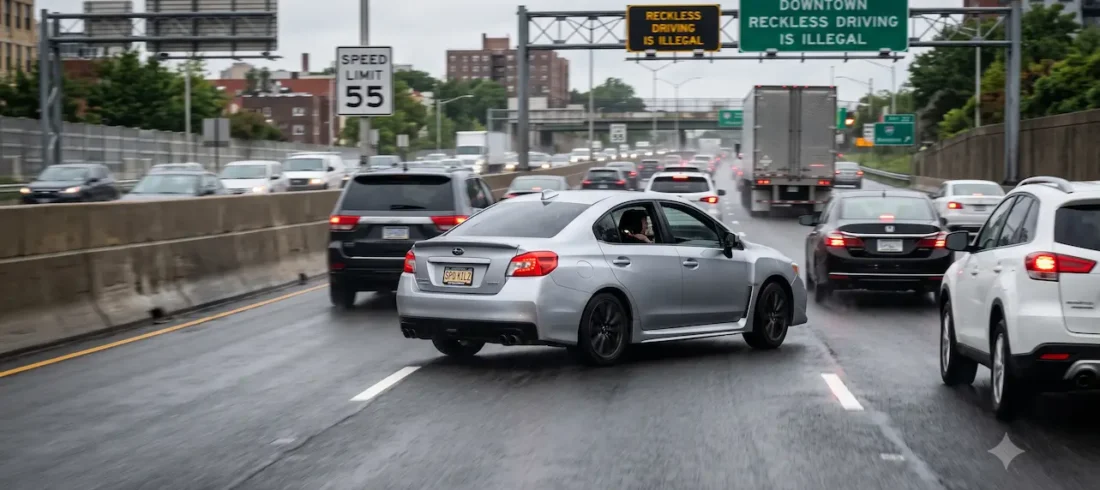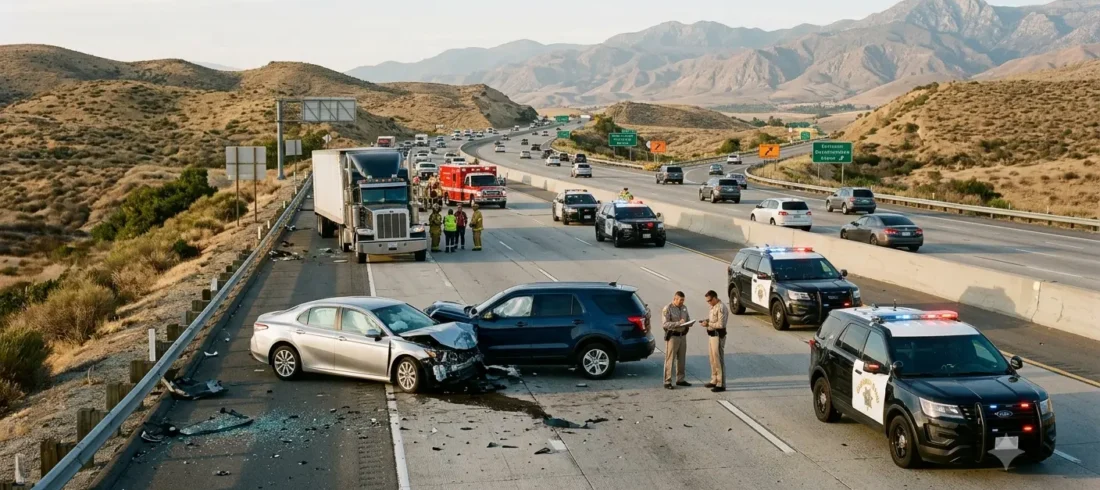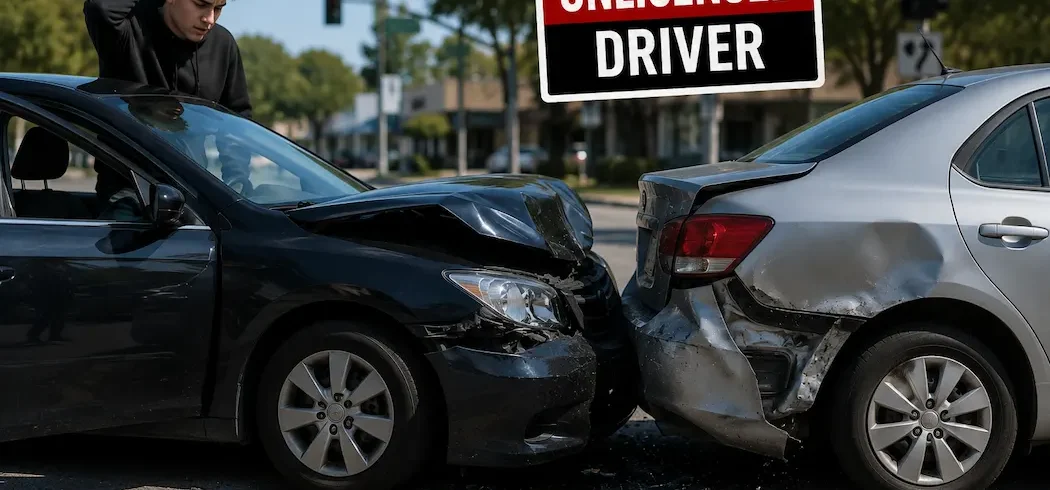
If you are injured by a fleeing driver, you shouldn’t have to carry the financial burden of medical bills, vehicle damage, and missed paychecks alone. Deciding to get a lawyer for a hit and run lets you hand off the stress of tracking down traffic camera footage, filing state-mandated reports, and dealing with aggressive insurance adjusters to a professional advocate.
Key Steps for California Accident Victims
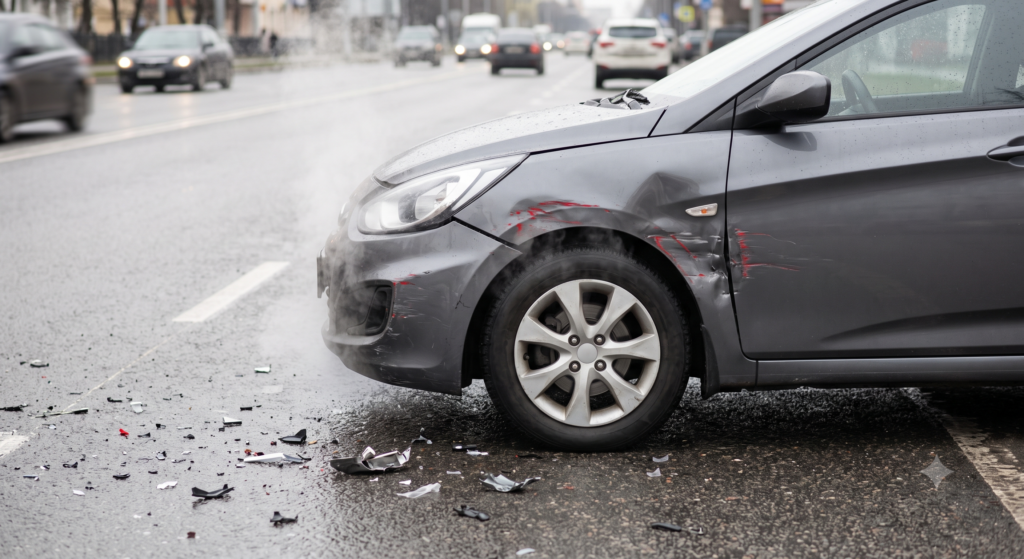
- Secure immediate evidence: Save dashcam video, take photos of paint transfers on your car, and get contact info from witnesses before they leave the scene.
- Report the accident: You must file a report with the police or CHP within 24 hours of a hit-and-run, and submit an SR-1 form to the California DMV within 10 days if there are injuries or over $1,000 in damage.
- Protect your rights: California uses a pure comparative negligence system, meaning you can still recover compensation even if you were partially at fault for the accident.
- Beware of early offers: Do not accept rapid, lowball insurance settlements before you know the true, long-term costs of your medical rehabilitation.
Why You Should Get a Lawyer for a Hit and Run?
You need an experienced attorney to lead an independent crash investigation, manage communication with the insurance companies, and fight for your maximum financial recovery. Fleeing motorists leave behind messy legal situations that frequently involve missing vehicle data, strict policy deadlines, and tough coverage disputes.
The reality is that insurance adjusters work to minimize corporate payouts, not maximize your recovery. A legal team serves as your operational shield against predatory statement requests. They systematically compile physical and digital proof to build an unassailable case, allowing you to focus purely on recovering from your injuries.
What to Expect When You Get a Lawyer for a Hit and Run
When a driver breaks the law by leaving the scene of a crash, standard personal injury protocols break down. Most hit-and-run cases require tapping into your own Uninsured Motorist (UM) coverage.
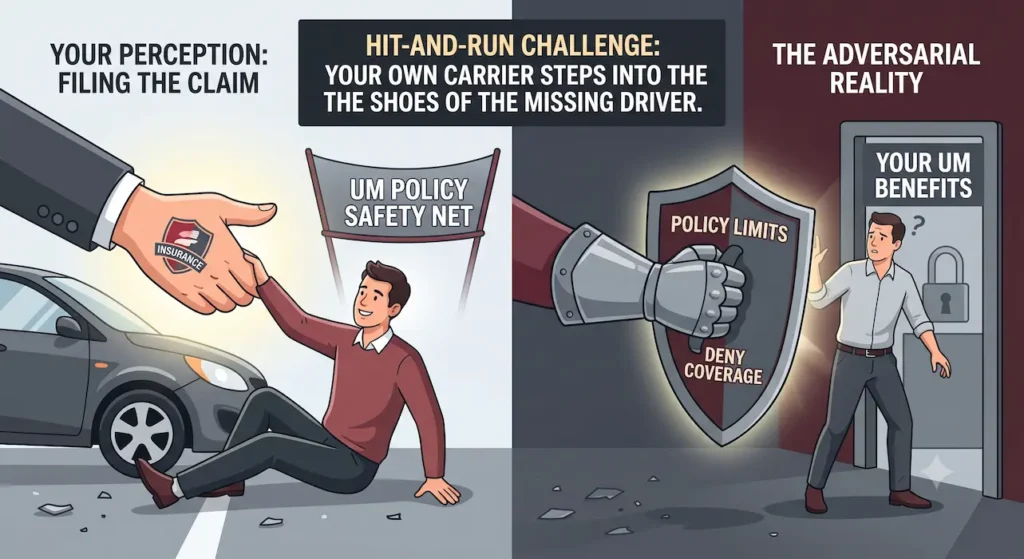
Here is the reality most insurance companies won’t tell you: a UM claim is fundamentally adversarial. Your own insurance carrier essentially steps into the shoes of the missing driver. They will actively look for technicalities to deny your coverage, or try to shift the blame to you to lower their payout. Under California Insurance Code § 11580.2, recovering under a hit-and-run UM claim typically requires proof of actual physical contact between the vehicles, making meticulous scene documentation absolutely vital.
Strategic Action Plan to Resolve Your Claim
1. Immediate Evidence Gathering
- Subpoena nearby commercial security camera loops before local businesses automatically overwrite the data.
- Document physical scene variables like skid marks, debris fields, and local road conditions right away.
2. Medical Verification
- Undergo a professional medical evaluation immediately to establish a clear, official link between the collision and your injuries.
- Follow all specialist treatment plans exactly so insurance adjusters cannot claim you are exaggerating your pain.
3. Smart Policy Management
- File formal administrative notices with your Uninsured Motorist carrier to prevent technical policy forfeitures.
- Decline to give recorded phone statements until a legal professional reviews the official police accident report with you.
Traditional Self-Representation vs. Professional Legal Help
| Claim Element | Self-Representation | Dedicated Legal Representation |
| Evidence Gathering | Relying solely on basic, often incomplete police reports. | Canvassing for private surveillance, dashcam feeds, and local traffic cameras. |
| Insurance Tactics | Falling for rapid, lowball settlement offers that don’t cover future care. | Enforcing full policy limits through calculated, evidence-backed demands. |
| Fault Protection | Vulnerable to adjusters trying to unfairly maximize your percentage of blame. | Systematically refuting false allegations of fault using concrete scene physics. |
Critical Legal Terms to Know
- Uninsured Motorist (UM) Coverage: An auto policy component that pays for your bodily injury losses when an at-fault driver has no insurance or flees the scene and cannot be identified.
- Pure Comparative Negligence: California’s legal doctrine ensuring that your right to recover damages is never completely barred, even if you share some blame for the crash. Your recovery is simply reduced by your percentage of fault.
- Statute of Limitations: The strict California deadline to file a lawsuit. You have two years from the date of the crash for personal injuries, and three years for property/vehicle damage.
Protecting Your Household’s Financial Future
A hit-and-run crash right outside your neighborhood or on your daily commute doesn’t just damage your vehicle—it threatens your family’s financial security. While local police departments handle the criminal investigation to track down the driver, their job is not to pay your hospital bills or replace your lost wages.
Securing private civil legal help ensures that your home, savings, and ongoing medical care remain insulated from the financial fallout of someone else’s reckless actions.
Put Your Recovery Strategy into Motion
Resolving a hit-and-run claim successfully requires aggressive, local investigation combined with total procedural precision before insurance deadlines close forever. By forcing insurance companies to respect your medical and financial reality, you take back control of your life.
Tenina Law stands ready to protect your rights across California district courts. If you need to get a lawyer for a hit and run to fight for the compensation you actually deserve, call our team at Tenina Law today. Call 2135960265.

In a Hurry? Dial 213-596-0265 now!
Frequently Asked Questions
Q: Can I still recover compensation if the hit-and-run driver is never found?
A: Yes. You can secure financial compensation by filing an Uninsured Motorist (UM) claim directly through your own auto insurance policy. This coverage acts as a safety net, paying for your medical bills, vehicle repairs, and lost income up to your selected policy limits.
Q: What damages can I pursue after a hit-and-run collision?
A: You can seek comprehensive compensation for emergency room costs, physical therapy, lost wages, vehicle property damage, and pain and suffering. If a loved one suffers fatal injuries, families may also file a separate wrongful death action.
Q: How long do I have to take legal action after an accident in California?
A: In California, you have a hard deadline of two years from the exact date of the collision to file a personal injury lawsuit for bodily injuries. For vehicle or property damage only, you have three years. Missing these deadlines destroys your right to seek compensation.
Q: Will my car insurance premiums go up if I file a hit-and-run claim?
A: No. California law explicitly prohibits insurance providers from raising your rates or increasing your premiums for accidents where you were not at fault, which includes being hit by a fleeing driver.
Q: What should I do immediately after a driver flees the scene?
A: Call the police immediately to file an official report, take photos of all vehicle damage and road debris, and collect contact details from any nearby witnesses. See a doctor right away to ensure your injuries are documented immediately for your upcoming insurance claim.