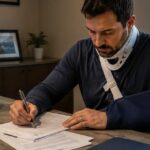
After an accident, understanding your legal options can be difficult, particularly when injuries lead to medical expenses, missed work, and disputes with insurance companies. Personal injury attorneys help individuals understand the legal process, evaluate potential claims, and determine what steps may be available under applicable law.
For individuals in Sherman Oaks, California, choosing a lawyer involves more than comparing advertisements or looking at online reviews. It is important to understand the attorney’s experience, communication practices, approach to case evaluation, and familiarity with California personal injury law.
This guide explains what personal injury attorneys do, how injury claims generally work, and what to consider when looking for a personal injury lawyer in Sherman Oaks.

What Do Personal Injury Attorneys Do?
Personal injury attorneys represent individuals who have suffered injuries because of another person’s or organization’s alleged wrongful conduct. Many claims involve negligence, which generally means that someone failed to exercise reasonable care and caused harm to another person.
Depending on the circumstances, an attorney may assist with:
- Reviewing accident reports and available evidence.
- Identifying potentially responsible parties.
- Evaluating medical records and documented financial losses.
- Communicating and negotiating with insurance companies.
- Preparing legal documents and handling applicable filing requirements.
- Representing clients during settlement negotiations or litigation.
The specific work involved depends on the nature of the accident, the extent of the injuries, and whether liability is disputed.
What Types of Cases Do Personal Injury Lawyers Handle?
Personal injury law covers different types of accidents and incidents. Each matter requires an evaluation of the facts, applicable legal standards, and available evidence.
Some common examples include:
Car Accidents
Car accidents can result in injuries, vehicle damage, medical expenses, and lost income. Determining responsibility may involve reviewing police reports, photographs, witness statements, vehicle damage, and other available evidence.
Insurance companies may also dispute liability or the extent to which an accident caused particular injuries.
Motorcycle Accidents
Motorcycle collisions can result in serious injuries because riders have less physical protection than occupants of passenger vehicles. Claims may involve questions about driver negligence, road conditions, visibility, and the actions of everyone involved.
Truck Accidents
Commercial truck accidents may involve multiple potentially responsible parties, including drivers, trucking companies, maintenance providers, or other entities. Investigations may require reviewing vehicle records, maintenance information, driver logs, and applicable safety requirements.
Slip-and-Fall Accidents
Slip-and-fall claims may arise when someone is injured because of a potentially dangerous property condition. Relevant questions can include whether the property owner or responsible party knew or should have known about the condition and whether reasonable steps were taken to address it.
Pedestrian Accidents
Pedestrians can suffer significant injuries when struck by vehicles. These claims may involve traffic laws, driver conduct, road conditions, witness accounts, and available surveillance footage.
Wrongful Death Claims
When a person dies because of another party’s alleged wrongful act or negligence, eligible surviving family members or representatives may have grounds to pursue a wrongful death claim under California law.
The legal requirements for each type of claim differ. An attorney should evaluate the specific circumstances rather than assume that every accident creates the same legal rights.
For additional information, read Tenina Law’s article about the personal injury claim process.
In a hurry? Call (213) 596-0265

How Does a Personal Injury Claim Work in California?
A personal injury claim generally involves determining whether another party may be legally responsible for an injury and identifying the losses that may be recoverable.
Although every case is different, the process often involves several important stages.
1. Establishing Negligence and Liability
Many personal injury claims are based on negligence. Generally, the injured person must establish that the defendant owed a duty of care, breached that duty, and caused legally recognized harm.
For example, a driver who fails to exercise reasonable care and causes a collision may be held responsible for resulting injuries if the required legal elements are established.
Evidence can include accident reports, photographs, witness statements, medical documentation, and expert evaluations.
2. Documenting Injuries and Financial Losses
Medical records and financial documents can help demonstrate how an accident affected an injured person.
Depending on the circumstances, relevant documentation may include:
- Emergency room and hospital records.
- Physician evaluations and treatment plans.
- Prescription and rehabilitation expenses.
- Employment records and lost-income documentation.
- Evidence of future medical needs.
- Records showing other accident-related expenses.
Accurate documentation helps establish the nature and extent of the claimed losses.
3. Evaluating Potential Damages
California personal injury claims may involve different categories of damages.
Economic damages are financial losses that can generally be calculated using supporting documentation. Examples include medical expenses, lost earnings, and certain future financial losses.
Non-economic damages involve losses that are more difficult to measure financially. These may include physical pain, emotional distress, and limitations on everyday activities.
Certain cases may also involve punitive damages, but these are not automatically available. Under California Civil Code Section 3294, specific legal requirements must be satisfied, including the applicable standard of proof and qualifying conduct.
The amount potentially recoverable depends on the evidence, applicable law, and circumstances of the case.
4. Negotiating or Pursuing Litigation
Some personal injury claims resolve through negotiations with an insurance company or responsible party. Others may require filing a lawsuit when liability, damages, or settlement terms remain disputed.
An attorney can explain the available options, potential challenges, and procedural requirements associated with the claim.
Can You Recover Compensation If You Were Partly Responsible?
Yes. California generally follows a pure comparative negligence system.
This means an injured person may still recover damages even if they were partly responsible for an accident. However, the amount of recoverable damages may be reduced according to their percentage of fault.
For example, if a person has $100,000 in legally recoverable damages but is found 20% responsible for the accident, the potential recovery would be reduced by 20%, resulting in $80,000.
This example is for illustration only. Actual fault allocation and recoverable damages depend on the evidence and applicable law.
The California Supreme Court recognized the state’s comparative negligence approach in Li v. Yellow Cab Co. (1975).

In a hurry? Call (213) 596-0265
How Long Do You Have to File a Personal Injury Lawsuit in California?
Many personal injury lawsuits in California are subject to a two-year statute of limitations under California Code of Civil Procedure Section 335.1.
However, this deadline does not apply identically to every injury-related claim.
Different rules may apply depending on the type of case, the parties involved, and when the injury was discovered. Claims against government entities, for example, may require an administrative claim within a much shorter period.
Missing an applicable deadline can affect a person’s ability to pursue compensation. Anyone considering a personal injury claim should obtain legal guidance promptly to determine which filing requirements apply.
For additional information, the California Courts guide to statutes of limitations explains common filing deadlines and why they can vary.
What Should You Consider When Choosing a Personal Injury Lawyer in Sherman Oaks?
Finding a suitable attorney requires evaluating more than advertising claims or promises of large settlements.
If you are comparing personal injury attorneys in Sherman Oaks, consider the following factors.
Relevant Legal Experience
Ask whether the attorney has handled cases involving circumstances similar to yours. Experience with the relevant type of injury claim may help the attorney identify potential legal issues and explain the steps involved.
Knowledge of California Personal Injury Law
A personal injury lawyer should understand the applicable California laws, including negligence principles, comparative fault, damages, and filing deadlines.
Communication and Case Management
Find out who will handle your case, how frequently you can expect updates, and how the firm responds to questions.
Clear communication can help you understand the progress of your matter and the decisions that may need to be made.
Fee Arrangements and Case Expenses
Many personal injury lawyers use contingency fee arrangements. Under this structure, the attorney’s fee is generally based on an agreed percentage of the recovery.
However, clients should understand the written fee agreement, including how expenses and other case-related costs are handled.
The State Bar of California’s guide to attorney fees and billing explains common arrangements and important considerations.
Professional Licensing and Background
Before hiring an attorney, you can verify their California license status and review available disciplinary information through the State Bar.
The State Bar of California provides resources for checking attorney credentials and understanding the process of selecting legal representation.
Why Does Local Legal Knowledge Matter in Sherman Oaks?
Personal injury claims arising in Sherman Oaks are generally governed by applicable California law. However, the circumstances surrounding an accident can involve local roads, intersections, commercial properties, residential locations, witnesses, and available evidence.
An attorney familiar with California personal injury matters can help explain the legal standards that may apply and identify evidence that could be important to evaluating a claim.
Tenina Law is located at 15250 Ventura Boulevard, Suite 1200, Sherman Oaks, California 91403.
Individuals interested in learning more about the firm’s legal services can visit its personal injury law practice page.
In a hurry? Call (213) 596-0265
Frequently Asked Questions About Personal Injury Attorneys
When should I contact a personal injury attorney?
You may consider consulting an attorney when an accident causes injuries, significant medical expenses, lost income, disputed responsibility, or difficulties with an insurance company. Prompt legal guidance may also help you understand applicable deadlines and preserve important evidence.
How much is a personal injury case worth in California?
There is no standard settlement amount for every personal injury case. Potential damages may depend on medical expenses, lost income, the severity of injuries, future treatment needs, liability evidence, comparative fault, and other legally recognized losses.
Can I file a personal injury claim if I was partly at fault?
Potentially, yes. California follows pure comparative negligence, which generally allows an injured person to pursue damages even when they share responsibility for an accident. Any recovery may be reduced according to their percentage of fault.
Do all personal injury cases go to court?
No. Some claims resolve through negotiations or settlements without a trial. Others proceed to litigation when the parties cannot resolve disputes involving liability, damages, or other legal issues.
What documents should I bring to an initial consultation?
Useful documents may include accident reports, photographs, medical records, insurance correspondence, witness information, employment records, and any communications concerning the incident.
The attorney may request additional information depending on the nature of the claim.
Do personal injury lawyers charge upfront fees?
Some personal injury attorneys work under contingency fee arrangements, meaning their fees are generally tied to the amount recovered. However, the treatment of case expenses and other costs can vary. Review the written agreement carefully before signing.
Understanding Your Legal Options After an Injury
Understanding personal injury law can help individuals make informed decisions after an accident. From establishing negligence and documenting damages to reviewing insurance disputes and filing deadlines, each part of a claim requires careful consideration of the facts and applicable California law.
When evaluating personal injury attorneys in Sherman Oaks, consider their relevant legal experience, communication practices, fee arrangements, and approach to handling cases.
Tenina Law provides legal representation in personal injury matters. Individuals who want to understand how California personal injury law may apply to their circumstances can visit Tenina Law to learn more about the firm’s legal services and request a consultation.
This article is intended for general informational purposes only and does not constitute legal advice. The outcome of any personal injury matter depends on its specific facts and applicable law. Past results do not guarantee future outcomes.