
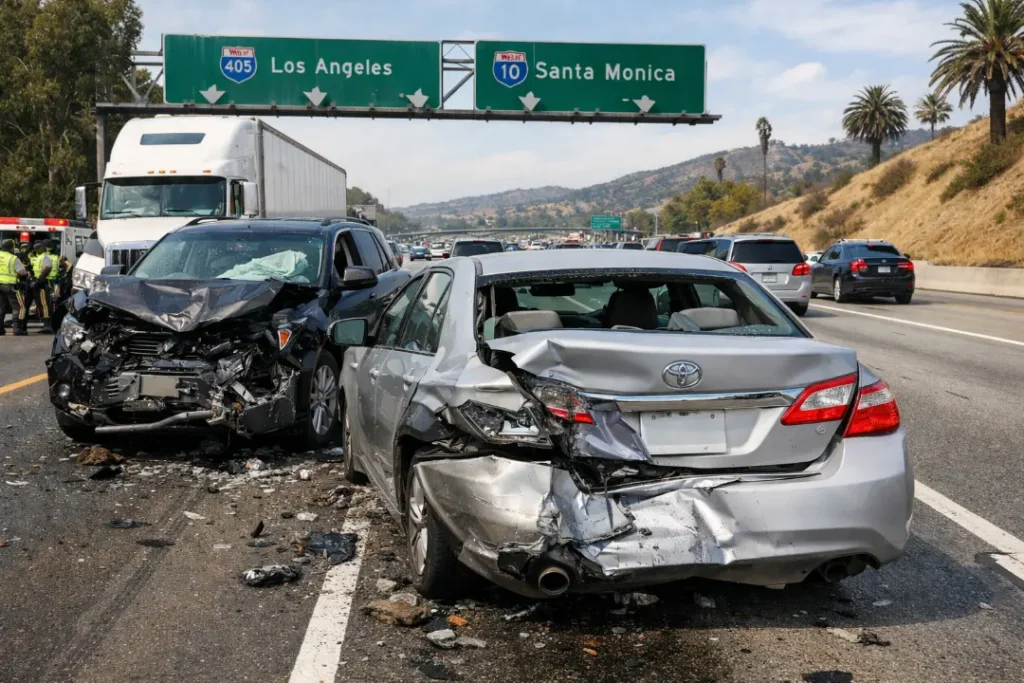
The United States experiences rear-end collisions as the most common type of vehicle accident. The majority of these accidents occur at traffic signals and crossroads, and during periods of heavy vehicular traffic. People commonly underestimate the severity of these collisions, but the incidents result in severe body injuries and car destruction, and create financial burdens. Medical expenses, combined with lost wages and future medical treatment expenses, accumulate rapidly after even minor car crashes.
The present day provides accident victims with multiple claim-support options, which include technology-based services that assist in paperwork management and case assessment, and design claim frameworks that insurance providers acknowledge.
Settlement understanding enables you to defend your entitlements while obtaining maximum financial restitution.
Read: Why Having a Personal Injury Lawyer Is Very Important?
In a Hurry? Dial +1213-596-0265 now!
Average Rear-End Collisions Settlement Ranges
Different rear-end collisions result in different compensation amounts. The settlement amount depends on three main factors, which include the extent of injuries sustained, the degree of damage to vehicles, and the strength of supporting evidence.
Minor Fender Benders
Average settlement: $2,000 – $10,000
These low-speed crashes often occur in parking lots or stop-and-go traffic. Soft tissue injuries happen when people experience whiplash or body discomfort. The agreement provides compensation for medical treatment, essential repairs, and selected work hours that were missed.
Moderate Collisions
Average settlement: $15,000 – $50,000
Moderate crashes often occur at higher speeds (20–30 mph). Victims experience severe medical conditions, which include herniated discs, concussions, and muscle injuries that need medical attention and long-lasting recovery time. The settlement agreement includes all medical costs, future medical expenses, lost income, and compensation for pain and distress.
Severe Collisions
Average settlement: $75,000 – $250,000+
High-speed impacts or crashes involving large vehicles can cause spinal injuries, traumatic brain injuries, or permanent disability. The settlement amount covers all surgical expenses, ongoing medical treatment, future income losses, and all substantial effects on daily life.
Types of Damages in Rear-End Collisions Settlements
The settlement agreement includes two different types of damage categories.
Economic Damages
These financial losses, which can be quantified, include the following:
- Medical bills and future treatment
- Lost income or reduced earning ability
- Vehicle repair or replacement
- Out-of-pocket recovery expenses (transportation, childcare, etc.)
Non-Economic Damages
These personal losses, which are difficult to measure, include the following:
- Pain and physical suffering
- Emotional distress or trauma
- Loss of enjoyment of daily activities
- Relationship impacts due to injuries
Documentation strength determines your ability to support your claim in both damage categories.
In a Hurry? Dial +1213-596-0265 now!
Factors That Affect Rear-End Settlement Amounts
Multiple crucial elements determine the final settlement costs.
Injury Presence
Injury claims possess a higher value than claims that only involve property damage.
Medical Treatment Timing
Immediate medical treatment establishes credibility and shows that injuries resulted from the accident.
Pre-Existing Conditions
In cases where the accident aggravated an existing condition, you may still receive compensation, but you must provide thorough medical evidence.
Pain and Suffering Severity
Claims become more valuable when individuals experience ongoing pain and mental health issues and make significant life changes.
Property Damage Level
Severe vehicle damage often supports injury claims because it proves impact force.
Lost Income
The settlement amount increases when you verify your work absence during your time away from work.
Fault and Liability
In most cases, rear drivers assume responsibility for accidents except when sudden stops, broken brake lights, or road hazards occur.
Insurance Coverage Limits
Settlement payments can face restrictions because of the maximum coverage limits established by the insurance policy of the driver responsible for the accident.

Legal Considerations in Rear-End Collisions Claims
Presumption of Fault
Rear drivers are usually presumed responsible because drivers must maintain safe following distances.
Negligence Laws
You must demonstrate that the other driver operated their vehicle unsafely before proving your injuries.
Comparative Negligence
Your financial recovery will decrease according to the degree of fault you share with others.
Statute of Limitations
Most states allow 1–3 years to file injury claims. The deadline must be met to maintain your entitlement to compensation.
Multi-Vehicle Crashes
Chain-reaction crashes create complex situations because they require multiple insurance companies to handle liability disputes.
What To Do Immediately After a Rear-End Collision?
Your health and claim process require you to take proper actions.
- Check for Injuries: Call emergency services if anyone is hurt.
- Move to Safety: If possible, move vehicles out of traffic.
- Call a Police: A report helps prove fault.
- Exchange Driver Information: Collect insurance and contact details.
- Document the Scene: Take photos of vehicles, injuries, and road conditions.
- Seek Medical Care: Some injuries appear hours or days later.
- Notify Insurance: Report the crash quickly and provide basic facts.
- Track Expenses and Records: Keep all bills, reports, and communications.
Should You Accept a Settlement Offer?
Before accepting any offer, consider:
- Have you finished medical treatment?
- Does the offer cover all damages, including future care?
- Did you include pain and suffering impacts?
- Is liability clearly established?
- Have you reviewed your legal rights?
Once you accept a settlement, you typically cannot request more compensation later.
How To Estimate Your Potential Compensation?
You can estimate claim value using this basic method.
Step 1: Calculate Economic Damages
Add medical bills, lost income, repairs, and recovery expenses.
Example:
- Medical: $8,000
- Lost wages: $3,000
- Repairs: $4,500
- Total: $15,500
Step 2: Estimate Non-Economic Damages
Insurance companies apply a multiplier based on the severity of injuries:
- 1.5–2 = Minor injuries
- 2–3 = Moderate injuries
- 4–5+ = Severe injuries
Example: $15,500 × 2.5 = $38,750
Step 3: Combine Totals
The estimated claim value equals $15,500 plus $38,750.
Step 4: Adjust for Fault
Your compensation amount will decrease if you hold partial fault.
Step 5: Consider Policy Limits
Insurers will only pay what their policies cover when claims exceed their policy limits.
In a Hurry? Dial +1213-596-0265 now!
Final Thoughts
Multiple factors determine settlement values for rear-end collisions, which seem straightforward. The severity of injuries, the quality of documentation, the determination of liability, and the limits of insurance coverage all affect the final settlement amounts. Proper documentation and treatment of all injuries are vital because even minor accidents can bring about major financial and medical expenses.
To protect your claim, you must seek medical treatment right away, and you should document everything and learn about your rights before you settle. Strong evidence, consistent treatment, and clear documentation usually lead to stronger outcomes and fairer compensation. Your chances of winning compensation increase when you receive professional legal help because it prevents you from accepting low offers, and you can identify all the compensation categories that you are entitled to.
If you were injured in a rear-end collision and want to understand what your claim may truly be worth, contact us at Tenina Law in Sherman Oaks, CA, today. Our legal team can review your case, explain your options, and help you pursue the compensation you deserve for medical bills, lost wages, pain and suffering, and long-term recovery needs. The value of your claim should not be determined by insurance companies before you get help from Tenina Law, so schedule a consultation with us to move closer to your financial recovery.